

Eat Healthy

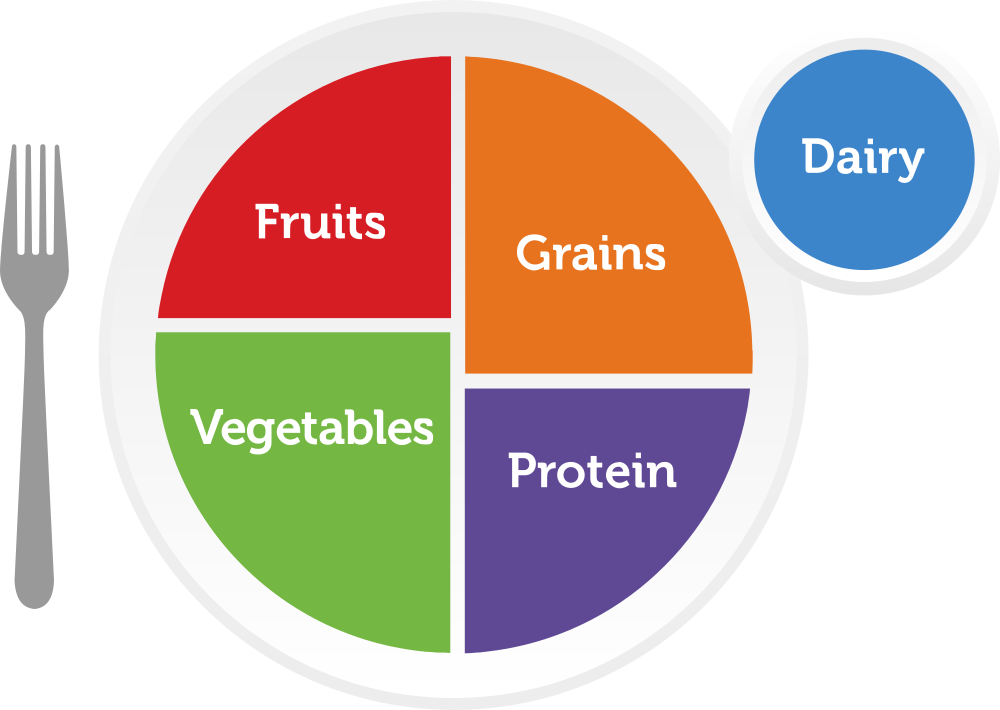
According to the Dietary Guidelines for Americans 2025-2030, a healthy eating pattern:
-
Emphasizes protein foods, dairy, vegetables, fruits, healthy fats, and whole grains
-
Includes a variety of nutrient-dense foods from both animal and plant sources
-
Prioritizes fiber-rich whole grains and minimally processed foods
-
Limits highly processed foods, added sugars, and refined carbohydrates
The new Real Food Pyramid provides a simple way to build balanced, nourishing meals using real, whole foods. Learn more and explore additional resources at RealFood.gov.
For more information and tools on healthy eating, visit these sites:
- Academy of Nutrition and Dietetics (formerly the American Dietetic Association). Provides a variety of nutrition-related educational materials. eatright.org
- American Diabetes Association. An organization with the aim of leading the fight against the deadly consequences of diabetes and fighting for those affected by diabetes. diabetes.org
- Foodsafety.gov. Provides access to government resources relating to food safety and nutrition. foodsafety.gov
Food resources may be available in your area.
If you or your family need access to food resources, such as food banks or kitchens, the Arizona Food Bank Network may have options for you. Use this website to look up locations in your area. azfoodbanks.org
In addition, you may qualify for Nutrition Assistance through the Supplemental Nutrition Assistance Program (SNAP). SNAP allows families and individuals to access healthy foods at grocery stores and farmer’s markets, with programs that allow additional funds for fruits and vegetables, like the Double Up Food Bucks. For more information and applications, visit https://des.az.gov/na.
Choosing healthy drink options improve health.
Choosing healthy drinks is one way to quickly improve your eating habits. Sugary drinks like soda and sweet tea can add many calories to your day if you choose them often. To work on making a change, start by tracking what you drink each day. The Drink Tracking Log can help. Simply print out the log and mark off the beverages you drink during the day. You can repeat this over several days or a week for a full picture of your habits. Consider sharing the log with your Primary Care Provider or Care Manager for help in setting goals.
Printable version, to complete on paper and share with your providers:
Once you complete the worksheet, try setting a goal for change. Here is an example.
What You Drink Now: You drink four drinks from the “Choose more often” column and four drinks from the “Choose less often” column each day.
Goal: Replace two of your “Choose less often” drinks with something from the “Choose more often” column.